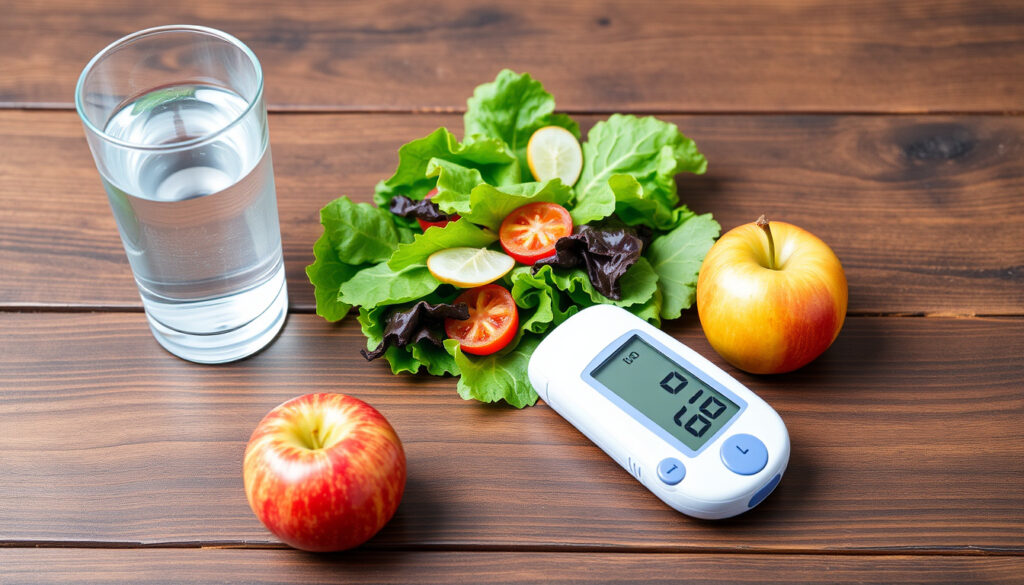
How to Lower Blood Sugar Fast and Safely
Few things are more unsettling than checking your blood sugar and seeing a number that’s higher than expected. Whether you’re managing diabetes or just trying to stay healthy, knowing how to respond to high blood sugar — and when to worry — can make all the difference.
Normal fasting blood sugar: 70–100 mg/dL (3.9–5.6 mmol/L) ·
Target before meals (ADA): 80–130 mg/dL ·
Target 2 hours after meals (ADA): <180 mg/dL
Quick snapshot
- Drink water to help dilute blood sugar (American Diabetes Association)
- Take prescribed rapid-acting insulin if part of your plan (ADA emergency plan) (American Diabetes Association)
- Go for a walk unless ketones are present (ADA caution) (American Diabetes Association)
- Avoid additional carbs until blood sugar drops (American Diabetes Association)
- Increased thirst and frequent urination (Cleveland Clinic)
- Blurred vision and fatigue (Cleveland Clinic) (Cleveland Clinic)
- Headaches and trouble concentrating (Cleveland Clinic)
- Nausea or vomiting in severe cases (Cleveland Clinic) (Cleveland Clinic)
- Water — the safest and most effective (ADA)
- Unsweetened tea — zero sugar, mild effect
- Apple cider vinegar (diluted) — may improve insulin sensitivity
- Golden milk (turmeric) — anti-inflammatory potential
- Leafy greens and non-starchy vegetables (Good Sources of Fiber)
- Fiber-rich foods that slow glucose absorption (Good Sources of Fiber)
- Lean proteins for stable energy (Good Sources of Fiber)
- Nuts and seeds with healthy fats (Good Sources of Fiber)
Five blood sugar ranges, one pattern: each threshold signals a different stage of metabolic health and carries distinct recommendations.
| Category | Value (fasting) | Recommendation |
|---|---|---|
| Normal blood sugar | 70–100 mg/dL | Maintain healthy habits |
| Prediabetes | 100–125 mg/dL | Consult healthcare provider |
| Diabetes | 126 mg/dL or higher | Management plan required |
| Hyperglycemia (after meals) | >180 mg/dL | Hydrate and medicate |
| Emergency level | >250 mg/dL with ketones | Seek immediate medical care |
| Target before meals (ADA) | 80–130 mg/dL | Adjust as prescribed |
The pattern: the jump from prediabetes to diabetes is a single point on the lab slip, but the gap between 180 and 250 with ketones is where home management ends and emergency care begins.
How can I lower my blood sugar quickly?
Immediate steps: exercise, hydration, medication
- Drink a full glass of water. The American Diabetes Association (ADA) advises people with hyperglycemia to drink extra water or other non-sugar-containing drinks — not fruit juice — to help dilute blood sugar.
- If you take rapid-acting insulin and your plan includes correction doses, administer as prescribed. The ADA emergency care plan confirms that a prescribed insulin correction dose is an appropriate first response.
- Light physical activity, such as a 15-minute walk, can lower blood sugar within 15–30 minutes — but only if ketones are not present. The ADA warns that if ketones are moderate or large, exercise can worsen ketosis and actually raise glucose.
- Avoid eating any carbohydrate-rich food until your blood sugar drops below 180 mg/dL.
Water, prescribed insulin, and conditional exercise are the three fastest tools — but the ketone check is the gatekeeper. Skipping it can turn a walk into a risk.
When to seek emergency care
If your blood sugar is above 250 mg/dL and you have ketones, vomiting, severe abdominal pain, heavy breathing, or confusion, home measures are not enough. The Mayo Clinic states that hyperglycemic crises such as diabetic ketoacidosis (DKA) or hyperosmolar hyperglycemic state (HHS) require emergency room treatment or hospital admission. Emergency treatment typically includes IV fluids, electrolyte replacement, and insulin therapy, according to Endotext via NCBI Bookshelf.
The Cleveland Clinic lists symptoms of DKA — including high blood sugar with vomiting and extreme thirst — as requiring emergency room evaluation. If you are drowsy or unconscious, call emergency services immediately, as advised by Diabinfo.
What this means: the dividing line between “manage at home” and “go to the ER” is the presence of ketones plus any symptom that affects your ability to stay awake or breathe normally. Water and insulin fix the numbers; only IV fluids and hospital monitoring fix the crisis.
Ketones present with high blood sugar require immediate medical attention. Do not exercise if ketones are moderate or large — this can worsen the crisis.
What are 5 signs your blood sugar is too high?
Increased thirst and frequent urination
- Excess glucose in the bloodstream pulls water from tissues, triggering thirst, and the kidneys work overtime to flush it out. The Cleveland Clinic lists polydipsia (excessive thirst) and polyuria (frequent urination) as classic early signs of hyperglycemia.
Blurred vision
- High blood sugar causes the lens of the eye to swell, changing its shape and focus. This is reversible once levels normalize, but it is a reliable signal that glucose is running too high.
Fatigue
- When cells cannot access glucose due to insulin resistance or deficiency, the body’s energy supply stalls. The Cleveland Clinic notes fatigue as a common symptom of hyperglycemia.
Headaches
- Dehydration from frequent urination, combined with shifts in blood volume, can trigger tension headaches. Many people with diabetes report headaches as an early warning sign before they test their blood sugar.
Nausea and vomiting (severe)
- When blood sugar climbs very high, the body may produce ketones, leading to nausea, vomiting, and abdominal pain. The Cleveland Clinic identifies these as signs of possible DKA requiring immediate medical attention.
The pattern: the first four signs are uncomfortable but manageable with hydration and medication. Nausea and vomiting flip the script — they signal that the body is moving into crisis mode and home treatment is no longer safe.
What drink lowers blood sugar quickly?
Water
- Water is the safest, most accessible drink for hyperglycemia. The ADA recommends drinking extra water or other non-sugar-containing drinks as a first-line response. It helps dilute blood glucose and supports kidney function to excrete excess sugar.
Unsweetened tea
- Black, green, or herbal tea without added sugar provides hydration with zero carbohydrates. Some compounds in green tea may offer modest insulin-sensitizing effects, though the primary benefit remains hydration.
Apple cider vinegar
- Diluted apple cider vinegar (1–2 tablespoons in a large glass of water) has shown promise in improving insulin sensitivity after meals, according to some studies. However, the ADA does not include it in standard emergency guidance, and optimal dosing remains unclear. It should never replace prescribed medication.
Golden milk (turmeric)
- A warm drink made with turmeric, black pepper, and unsweetened milk (dairy or plant-based) contains curcumin, which has anti-inflammatory properties. Some research suggests curcumin may support glycemic control, but the evidence is not strong enough to recommend it as an acute treatment for high blood sugar.
The catch: water is the only drink with direct, uncontested evidence for lowering blood sugar in the moment. The others — vinegar, tea, turmeric — are supportive at best and should not delay proven interventions like insulin or medical care when needed.
What food will bring blood sugar down?
Low-carb vegetables
- Leafy greens, broccoli, cauliflower, zucchini, and bell peppers have minimal impact on blood sugar because they are low in digestible carbohydrates. They provide volume, fiber, and nutrients without raising glucose.
Fiber-rich foods
- Beans, lentils, chia seeds, and oats contain soluble fiber, which slows the absorption of carbohydrates and prevents sharp post-meal spikes. For more on how fiber works, see Good Sources of Fiber on this site.
Lean proteins
- Chicken, turkey, fish, eggs, and tofu help stabilize blood sugar by slowing gastric emptying and providing satiety without adding carbohydrates. Pairing protein with a carb source reduces the glycemic response compared to eating carbs alone.
Healthy fats
- Avocado, nuts, seeds, and olive oil have no direct sugar-lowering effect, but they slow digestion and blunt the glucose spike when eaten alongside carbohydrates. Cooking with oils like avocado oil — which has a high smoke point and a favorable fat profile — is a practical swap. Learn more in Avocado Oil Smoke Point Guide.
Why this matters: no single food will rapidly “bring down” blood sugar the way insulin or water can. But choosing the right foods — especially fiber and protein — prevents the next spike, which is how long-term control is built.
How to lower blood sugar naturally?
Regular exercise routine
- Physical activity improves insulin sensitivity, meaning your cells use glucose more effectively. The ADA recommends regular exercise as part of diabetes management, with the caveat to avoid exercise when ketones are present. Aim for at least 150 minutes of moderate activity per week.
Weight management
- Excess body fat, particularly around the abdomen, contributes to insulin resistance. Losing 5–10% of body weight can significantly reduce blood sugar levels and, in some cases, lead to diabetes remission.
Balanced diet
- Consistent meal timing and portion control help prevent large swings in blood sugar. Eating fiber-rich vegetables, lean protein, and healthy fats at every meal, while limiting refined carbs and added sugars, is the foundation of natural glycemic control.
Stress reduction
- Chronic stress raises cortisol, a hormone that signals the liver to release glucose. This can push blood sugar higher even when you haven’t eaten. Mindfulness, deep breathing, and adequate sleep are practical tools to counter this effect.
Sleep hygiene
- Poor sleep is linked to increased insulin resistance. The Cleveland Clinic notes that lack of sleep can raise blood sugar by disrupting hormone regulation. Aim for 7–9 hours of quality sleep per night.
The trade-off: natural strategies are powerful for prevention and long-term management, but they are not fast-acting. When blood sugar is already high, medication and hydration work in minutes; exercise and diet work in hours and days. The smart approach uses both.
Long-term blood sugar control relies on consistently combining medication, diet, exercise, and stress management—not on any single quick fix. The patient who builds these habits avoids the crisis.
Steps to Take When Your Blood Sugar Is High
Follow these steps in order, checking each condition before moving to the next:
- Check your blood sugar and ketones. If glucose is above 250 mg/dL, test for ketones using urine strips or a blood ketone meter. The ADA recommends ketone testing when glucose is above about 250 mg/dL.
- Drink a large glass of water. Avoid fruit juice, regular soda, or sweetened beverages.
- If ketones are negative or trace: take a short walk (15–20 minutes) if you feel well enough. If ketones are moderate or large, skip exercise and rest.
- Take a correction dose of rapid-acting insulin if prescribed in your management plan. Do not guess the dose — follow your provider’s instructions.
- Recheck blood sugar after 30–60 minutes. If it is not dropping, or if you develop vomiting, confusion, or heavy breathing, seek emergency care immediately.
What this means: the sequence is simple — test, hydrate, move or rest, medicate, recheck. The critical fork is the ketone result. Negative ketones mean you can exercise and treat at home. Positive ketones mean you need medical evaluation.
What We Know and What’s Still Unclear
Confirmed facts
- Exercise lowers blood sugar when ketones are absent (ADA)
- Drinking water helps dilute blood sugar (ADA)
- DKA requires emergency IV fluids, electrolytes, and insulin (Mayo Clinic)
- Prescribed insulin correction doses are effective (ADA)
What’s unclear
- Effectiveness of cinnamon for acute blood sugar lowering
- Golden milk benefits — turmeric has anti-inflammatory properties but no strong evidence for immediate glucose reduction
- Apple cider vinegar dosing — studies show modest effects on post-meal insulin sensitivity, but optimal dose and timing are not established
Expert Perspectives on Managing Hyperglycemia
“People with hyperglycemia are commonly advised to drink extra water or other non-sugar-containing drinks, not fruit juice.”
American Diabetes Association (clinician guidelines)
“Symptoms of DKA, including high blood sugar with vomiting and extreme thirst, require emergency room evaluation.”
Cleveland Clinic (endocrinology practice)
“Hyperglycemic crises such as diabetic ketoacidosis (DKA) or hyperosmolar hyperglycemic state (HHS) require emergency room treatment or hospital admission.”
The consensus across these three institutions is clear: hydration and insulin are the first-line tools, but the presence of ketones, vomiting, or confusion moves the situation from “manage at home” to “go to the hospital.” No home remedy replaces emergency care when those red flags appear.
emergencycarebc.ca, myglu.org, sugar.drjamesd.com, apollo247.com, sharda.ac.in, ncbi.nlm.nih.gov, gbchealth.org
Frequently asked questions
Can stress cause high blood sugar?
Yes. Stress triggers the release of cortisol and adrenaline, which signal the liver to release glucose. The Cleveland Clinic notes that stress can raise blood sugar even without eating. Managing stress through mindfulness, exercise, and sleep is a key part of blood sugar control.
Does cinnamon lower blood sugar?
Some studies suggest cinnamon may modestly improve fasting blood sugar over weeks or months, but there is no strong evidence that it works quickly enough for acute hyperglycemia. It is not a substitute for insulin, water, or medical care.
How long after eating does blood sugar peak?
Blood sugar typically peaks 60–90 minutes after eating a meal, depending on carbohydrate content and individual metabolism. The ADA recommends checking blood sugar two hours after meals to assess post-meal control.
Is it safe to exercise with high blood sugar?
It depends on ketones. If ketones are negative or trace, light exercise like walking is safe and can help lower blood sugar. If ketones are moderate or large, the ADA warns that exercise can worsen ketosis and raise glucose further.
What is the difference between hyperglycemia and hypoglycemia?
Hyperglycemia is high blood sugar (above 180 mg/dL after meals), while hypoglycemia is low blood sugar (below 70 mg/dL). Hyperglycemia develops slowly and causes thirst, fatigue, and blurred vision. Hypoglycemia comes on quickly and causes shakiness, sweating, and confusion.
Can drinking water lower blood sugar quickly?
Yes. Water helps dilute blood glucose and supports kidney function to excrete excess sugar. The ADA recommends drinking extra water as a first-line response to hyperglycemia.
Does lack of sleep affect blood sugar?
Yes. Poor sleep increases insulin resistance and disrupts hormone regulation. The Cleveland Clinic links insufficient sleep to higher blood sugar levels. Aim for 7–9 hours per night.
For anyone managing diabetes or prediabetes, the choice between home management and emergency care is not a gray zone — it is a clear threshold defined by ketones and symptoms. Drink water, take your prescribed medication, and know that when nausea, confusion, or ketones appear, the ER is the right next step.
More related posts
 Shake It to the Max: Song Origins, MOLIY, Lyrics & TikTok Trend
 Berklee College of Music – Admissions, Tuition, Programs Guide
 Pantone Color of the Year 2025: Mocha Mousse and What It Means
 How to Check for Malware on Mac: Built-in Tools Guide
 Apple Watch Blood Pressure: What It Can (and Can’t) Do in 2025
 Cast of the Substance – Actors, Roles and Production Insights
 Pet Insurance for Dogs – Best 2025 Plans Compared
 Translate English to Creole: Free Online Tools & Apps