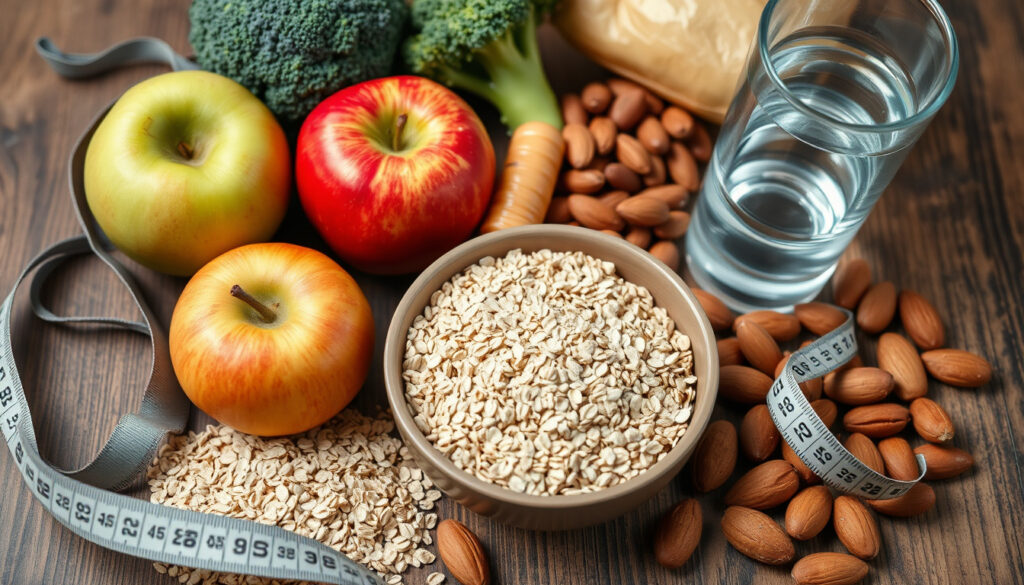
Good Sources of Fiber: Top Foods & Daily Needs
If you’ve ever wondered why your energy dips after lunch or why your digestion feels off, the answer might be simpler than you think: fiber. Most of us eat only about half of what’s recommended, yet getting enough doesn’t require supplements or drastic changes—this guide will show you the top natural sources of fiber ranked by grams per serving, plus a practical plan to hit 30g a day using real food.
Daily fiber (women): 25g · Daily fiber (men): 38g · Average US intake: 15g · Top source (per 100g): Chia seeds 34g
Quick snapshot
- Chia seeds: 34g per 100g (Mayo Clinic (US medical center))
- Lentils: 15.6g per cup cooked (U.S. Veterans Affairs Nutrition)
- Almonds: 3.5g per ounce (UCSF Health (academic medical center))
- Oats: 10.6g per cup cooked (NHS (UK public health authority))
- Optimal fiber intake for specific gut microbiome profiles (PMC review (peer-reviewed))
- Whether fiber supplements work as well as whole foods for all outcomes (Cleveland Clinic (US hospital system))
- Women 19-50: 25g per day (U.S. Veterans Affairs Nutrition)
- Men 19-50: 38g per day (U.S. Veterans Affairs Nutrition)
- Older women (51+): 21g per day (Harvard Health Publishing (academic medical blog))
- Older men (51+): 30g per day (Harvard Health Publishing)
- Constipation and irregularity are early warning signs (NHS)
- Low intake increases risk of diverticular disease (PMC review)
- Focus on whole grains, legumes, nuts, and seeds (PMC review)
One glimpse at the numbers shows a clear pattern: most of us are falling short. The average American consumes just 15g of fiber daily, while official guidelines recommend 25–38g depending on age and sex.
| Category | Value |
|---|---|
| Top fiber source (per 100g) | Chia seeds: 34g |
| Daily recommendation (adult) | 25–38g |
| Average US intake | 15g |
| Fiber types | Soluble and insoluble |
What foods are highest in fiber?
Top 10 fiber-rich foods ranked
Chia seeds top the list with 34g of fiber per 100g, according to the Mayo Clinic (US medical center). Lentils provide 15.6g per cooked cup, per the U.S. Veterans Affairs Nutrition handout. Almonds deliver 3.5g per ounce, notes UCSF Health (academic medical center). Oats contain 10.6g per cooked cup, from NHS (UK public health authority).
The top three sources—chia, lentils, and oats—can each deliver more than 10g per serving. Combining them across meals makes hitting 30g straightforward.
Fiber content per serving for common foods
- Split peas, cooked: 16.3g per cup (VA Nutrition)
- Black beans, cooked: 15g per cup (VA Nutrition)
- Artichoke, cooked: 10.3g per medium (VA Nutrition)
- Avocado: 10g per cup (VA Nutrition)
The pattern: legumes and seeds offer the highest density, while fruits and vegetables contribute more moderate amounts. A Mayo Clinic high-fiber foods chart helps identify which foods fit a high-fiber pattern while meeting the per-1,000-calorie target.
How can I get 30g of fiber a day?
Sample one-day meal plan for 30g fiber
A peer-reviewed PMC review (medical journal) recommends meal plans with whole grains, legumes, nuts, seeds, fruits, and vegetables to reach 30g or more. Here’s a realistic day:
- Breakfast: oatmeal with berries (8g) – oats (4g) + berries (4g) (NHS)
- Lunch: lentil soup (12g) – lentils provide bulk (VA Nutrition)
- Snack: apple with almonds (5g) – apple (4.4g) + almonds (1g) (UCSF Health)
- Dinner: quinoa with broccoli (5g) – quinoa (2.8g) + broccoli (2.4g) (VA Nutrition)
Total: 30g without supplements. The same PMC review notes that in North America, grain-based foods are the largest contributors, but legumes, nuts, and seeds are underused — exactly where the biggest gains lie.
Combining high-fiber foods across meals
- Add beans to salads or soups (NHS)
- Top yogurt with chia or flaxseeds (UCSF Health)
- Swap white rice for quinoa or bulgur (Mayo Clinic)
Most Americans fall 10–15g short daily (Harvard Health). Even small swaps—like oats instead of cereal—close the gap without massive diet overhauls.
The implication: small swaps can close the gap significantly without major diet overhauls.
What drink is high in fiber?
Fiber-rich beverages: smoothies, juices, and teas
While whole foods are best, certain drinks can contribute. Smoothies made with chia seeds or flaxseed add fiber alongside fruits, per NHS advice. Prune juice contains about 2.6g per cup, according to UCSF Health. Green smoothies with spinach and berries also provide a modest amount.
How to boost fiber in drinks
- Add a tablespoon of ground flaxseed to juice or smoothies (3g fiber) (Mayo Clinic)
- Blend with avocado for creamy texture (10g per cup) (VA Nutrition)
The trade-off: drinking fiber can be convenient, but whole foods generally provide more satiety and a wider nutrient profile.
What are signs of low fiber?
Common symptoms of insufficient fiber intake
- Constipation (NHS)
- Irregular bowel movements (Harvard Health)
- Increased risk of diverticular disease (PMC review)
Health risks of a low-fiber diet
- Higher risk of heart disease, as soluble fiber helps lower cholesterol (Harvard Health)
- Lower fiber linked to higher body weight and blood sugar swings (Cleveland Clinic)
The catch: these symptoms often develop slowly. Many people dismiss occasional constipation as normal when it’s actually a sign that daily fiber intake is too low.
How much fiber per day is recommended?
Daily fiber guidelines by age and gender
Official recommendations vary slightly by country, but a consistent range emerges from major health authorities.
| Group | Recommendation |
|---|---|
| Women 19–50 | 25g per day (VA Nutrition, Harvard Health) |
| Men 19–50 | 38g per day (VA Nutrition, Harvard Health) |
| Women 51+ | 21g per day (Harvard Health) |
| Men 51+ | 30g per day (Harvard Health) |
| Children (2+ per 1000 kcal) | 14g per 1000 calories (Mayo Clinic) |
| UK adults | 30g per day (NHS) |
The UCSF Health guidelines also note that 6–8g of that should come from soluble fiber. Most people can hit that by eating oats, beans, and apples daily.
Adjusting fiber intake for specific health conditions
- Pregnant women: 28g per day (VA Nutrition)
- People with constipation may need to increase gradually to 30–35g (NHS)
The implication: guidelines converge on 25–38g for adults, but individual needs depend on age, pregnancy, and medical conditions. The gap between average intake (15g) and the target is roughly 10–20g — equivalent to one extra serving of lentils or a handful of nuts.
How to gradually increase fiber intake
Step 1: Start with breakfast
Swap sugary cereal for oatmeal topped with berries and a tablespoon of chia seeds. That jump adds about 8g fiber, per NHS advice.
Step 2: Add legumes to lunch
Half a cup of lentils in soup or salad provides 7–8g. The VA Nutrition handout lists lentils as one of the highest sources.
Step 3: Snack on nuts and fruit
An apple with almonds gives roughly 5g fiber (UCSF Health). Keep almonds at 1 ounce (23 nuts) to avoid excess calories.
Step 4: Choose whole grains for dinner
Replace white rice with quinoa (2.8g per cup) or bulgur (8.2g per cup), per Mayo Clinic.
Step 5: Hydrate and go slow
The NHS warns that increasing fiber too quickly can cause bloating. Add one serving every few days and drink plenty of water.
Fiber supplements (Cleveland Clinic) may help but lack the vitamins and phytonutrients found in whole foods. Aim for food first.
The takeaway: start with breakfast, go slow, and prioritize whole foods over supplements.
Confirmed vs. unclear: separating what we know
Confirmed facts
- Fiber reduces constipation risk (NHS)
- High-fiber diet linked to lower heart disease risk (PMC review)
What’s unclear
- Optimal fiber intake for specific gut microbiome profiles (PMC review)
- Effectiveness of fiber supplements vs. whole foods for all outcomes (Cleveland Clinic)
- Soluble fiber lowers cholesterol (Harvard Health Publishing (academic medical blog))
This distinction helps readers focus on well-established benefits while acknowledging ongoing research.
“Fiber is a nutrient that should be part of a healthy diet. Most Americans get far less than they need.”
“Adults in the UK should aim for 30g of fibre a day, but most are eating only about 20g.”
NHS (UK public health authority)
“Soluble fiber found in oats, beans, and apples helps lower cholesterol and stabilize blood sugar.”
Harvard Health Publishing (academic medical blog)
For the typical American consuming 15g of fiber daily, the decision to increase intake to 30g can reduce constipation risk, lower cholesterol, and decrease heart disease risk over the long term. The evidence is robust: start with whole foods, go slow, and hydrate. For the average adult, the choice is clear: add one serving of lentils or a handful of nuts each day, or accept the consequences of continued shortfall.
Related reading: How to Get More Fiber Into Your Diet (NHS Guidelines)
mygidocs.com, eatingwell.com, balanced.org, symprove.com, eatright.org
Frequently asked questions
Can fiber help with weight loss?
Yes. High-fiber foods are more filling, which can help reduce overall calorie intake. The Harvard Health review notes that fiber-rich diets are associated with lower body weight.
What is the difference between soluble and insoluble fiber?
Soluble fiber dissolves in water and helps lower cholesterol and blood sugar. Insoluble fiber adds bulk to stool and prevents constipation. Both are important, per UCSF Health.
Are fiber supplements as good as whole foods?
Supplements can help, but they lack the vitamins, antioxidants, and phytonutrients in whole foods. The Cleveland Clinic recommends food first.
How quickly should I increase fiber intake?
Gradually over a few weeks. Adding too much too soon can cause bloating and gas. The NHS advises increasing by one serving every few days.
Can too much fiber cause problems?
Yes. Extremely high intake (over 70g) can lead to bloating, gas, and even intestinal blockages. Stick to the recommended 25–38g range, per Mayo Clinic.
Does cooking destroy fiber?
No. Cooking may soften fiber but doesn’t break it down. The fiber content remains largely unchanged, according to VA Nutrition.
What are the best high-fiber foods for constipation?
Prunes, pears, oats, and lentils are top choices. The insoluble fiber in these foods adds bulk and speeds transit, per NHS guidance.
More related posts
 Minnesota Lynx vs Chicago Sky Match Player Stats: Latest Games
 How to Cook Rice – Perfect Ratios for Every Method
 12 Tribes of Israel: Names, History, and Modern Legacy
 CeraVe vs The Ordinary: Which Skincare Brand Is Better for Gen Z
 In Lieu Of Meaning – Definition, Usage, Legal Examples
 The Last of Us Episode 3: Point, Summary, Controversy Explained
 Warhammer 40k Space Marine 2 Review: Is It Worth Buying?
 Kendrick Lamar Net Worth 2026: $200M and Surpassing Drake