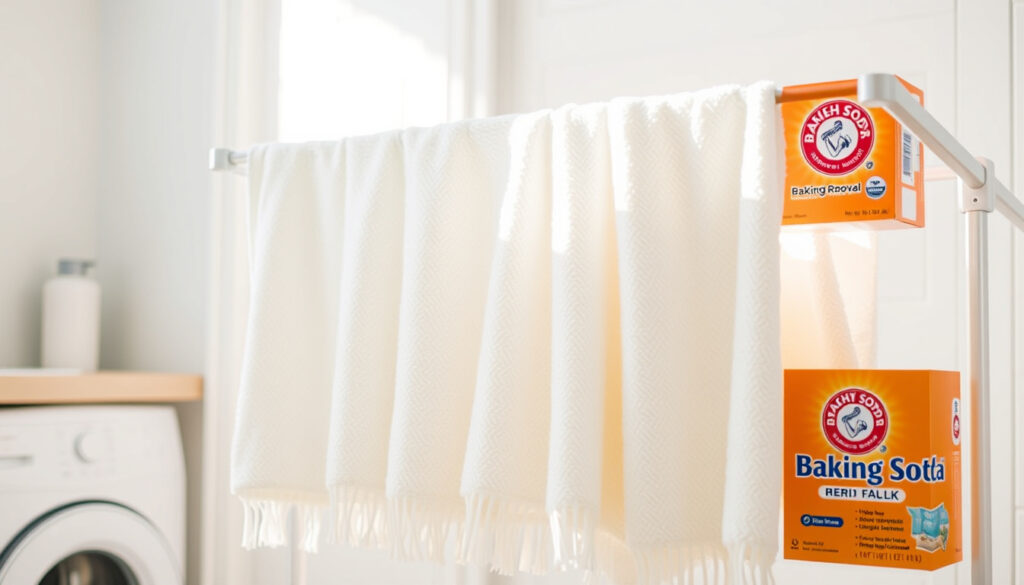
How to Remove Mildew Smell from Towels – Step-by-Step Guide
How to Remove Mildew Smell from Towels
Mildew and musty odors in towels represent one of the most persistent household laundry challenges. Unlike ordinary dirt or stains, the bacterial buildup and mold growth that cause these odors embed themselves deep within fabric fibers, creating an unpleasant smell that lingers even after standard washing cycles. Understanding how to remove mildew smell from towels requires a combination of proper technique, the right cleaning agents, and preventive habits that keep towels fresh between uses.
This guide covers proven methods ranging from household staples like vinegar and baking soda to specialized laundry sanitizers, along with practical steps to eliminate existing odors and prevent them from returning. Each approach includes specific instructions based on fabric type, load size, and the severity of the odor problem.
How Do You Remove Mildew Smell from Towels?
The most effective approach combines sequential washing cycles using complementary cleaning agents. Two primary methods have emerged as the most reliable solutions among cleaning professionals and home care experts.
These four elements define the standard approach to removing mildew odors from towels using household ingredients.
- Method: Vinegar Soak + Hot Wash
- Time Required: 1–2 hours per treatment cycle
- Effectiveness: High for mild to moderate cases
- Fabric Safety: Safe for most cotton and blended towels
The Vinegar and Baking Soda Method
White vinegar and baking soda work through fundamentally different mechanisms, which is why applying them in separate cycles produces better results than combining them simultaneously. Vinegar acts as an acid that breaks down mineral deposits, detergent residue, and kills surface bacteria and mold spores. Baking soda functions as a mild alkali that deodorizes by neutralizing acids in fabric fibers while softening the material itself.
The first cycle involves adding one cup of white vinegar to the detergent or fabric softener dispenser. Load the towels without overloading the machine, then run a full hot or warm water cycle without adding detergent. The vinegar works throughout the entire wash cycle to penetrate fabric fibers and eliminate odor-causing bacteria.
The second cycle uses one-half to one cup of baking soda added directly to the drum or along with your regular heavy-duty detergent. Run another full hot water cycle to allow the baking soda to address any remaining odor compounds and residual acidity from the vinegar rinse.
After completing both cycles, dry towels completely using either a tumble dryer on low heat or by placing them in direct sunlight. Allowing towels to air-dry in sunlight provides additional antimicrobial benefits due to ultraviolet light exposure.
The Bleach and Sanitizer Method
For white towels or colorfast towels that are bleach-safe, a laundry sanitizer provides an alternative approach. Products like laundry sanitizers claim to kill 99% of odor-causing bacteria when used in a separate cycle from detergent.
Sort towels by color and fabric type before beginning. Pretreat any visible stains with a small amount of detergent and allow it to sit for five to ten minutes. Add your regular detergent along with the appropriate sanitizer product to the softener dispenser, then run a normal wash cycle using the hottest water temperature safe for the fabric.
Combining vinegar and baking soda in the same cycle creates a neutralization reaction that significantly reduces the effectiveness of both ingredients. Running them as separate washes allows each agent to work at full strength.
Bleach-based approaches work well for white towels but carry risks for colored fabrics. Always check the care label and test a small, inconspicuous area first if uncertain about colorfastness. Color-safe alternatives like oxygen bleach or enzymatic cleaners offer a middle ground for colored towels that cannot tolerate chlorine bleach.
| Method | Key Ingredients | Number of Cycles | Water Temperature | Best For |
|---|---|---|---|---|
| Vinegar Soak | 1 cup white vinegar | 1 cycle | Hot or warm | Natural fabrics, mild odors |
| Baking Soda Wash | ½–1 cup baking soda | 1 cycle | Hot or warm | Heavy residue buildup |
| Laundry Sanitizer | Laundry Sanitizer or equivalent | 1 cycle | Hottest safe | Bacteria elimination, whites |
| Borax Add-In | 1 cup borax + heavy-duty detergent | 1 cycle | Hot | Stubborn persistent odors |
| Essential Oils Boost | Tea tree or lavender oil | Added to cycle | Any | Preventive maintenance |
| Heavy Stripping | Vinegar then baking soda (separate) | 2 cycles | Hot | Severe odor problems |
Alternative Quick Fixes for Mild Cases
For towels with lighter odor issues, pretreating affected areas with undiluted detergent applied directly to spots and allowed to sit for five to ten minutes before washing often proves sufficient. Borax can be added as a booster with your regular detergent in hot water after an initial vinegar soak for stubborn cases that do not respond to the standard two-cycle approach.
If odors persist after two complete treatment cycles, repeating the process may be necessary. In cases where towels have been used for more than two years and retain persistent mildew smell despite repeated treatments, replacing them entirely may represent the most practical solution.
Why Do Towels Develop a Mildew Smell?
Understanding the root causes of mildew odors makes prevention more effective than simply treating symptoms. Mildew and musty smells in towels result from bacterial growth, and this growth occurs when three conditions align: warmth, moisture, and organic material for bacteria to consume.
Bacteria Buildup and Residual Moisture
Every time towels absorb moisture from skin, they collect dead skin cells, body oils, and environmental contaminants. When towels remain damp after use and are stored in enclosed spaces without adequate airflow, these organic materials create an ideal breeding ground for bacteria and mold. The bacterial metabolism produces the characteristic musty odor associated with mildew.
Detergent and soap residue contribute significantly to this problem by trapping moisture within fabric fibers. Even after regular washing, residual detergent accumulates over time, creating a sticky film that holds water against the fabric long after the spin cycle completes.
The Role of Fabric Softener
Fabric softeners exacerbate moisture retention issues by coating individual fibers with a waxy substance that reduces absorbency. This coating means water sits on the surface rather than being drawn through the fibers and expelled during drying. The combination of reduced drying efficiency and the organic materials trapped by softener residue creates conditions where mildew thrives.
Fabric softener residue is a leading cause of unexplained towel odors. Even loads washed without detergent but with fabric softener can develop mildew smell because the softener itself leaves residue that traps moisture and promotes bacterial growth.
Leaving damp towels sitting in the washer for extended periods allows mildew to establish itself between uses. Similarly, storing towels in damp bathrooms or dark closets without ventilation provides the consistently moist environment that mold spores require to grow and produce their characteristic musty odor. If you’re looking to tackle mildew smells, understanding how to remove mildew smell from towels is key, and this helpful guide can show you how: faux wood venetian blinds
How to Prevent Mildew Smell from Returning
Prevention requires establishing consistent habits that address each factor contributing to mildew growth. These strategies cost nothing to implement and require only small adjustments to daily routines.
Proper Washing Frequency
Experts recommend washing bath towels after every three to four uses, or at minimum once weekly if used less frequently. More frequent washing becomes necessary in humid climates or when towels are shared among multiple household members. The goal is to prevent bacterial buildup from reaching levels that produce noticeable odors.
Drying Techniques That Work
Always dry towels completely before storing them. Options include tumbling in a well-ventilated dryer on low to medium heat, hanging in direct sunlight which provides natural antimicrobial properties, or positioning near ventilation fans in well-ventilated rooms. Never hang towels in damp, shaded areas where airflow is limited.
For more guidance on managing moisture issues in your home, our article on how to repair leaky pipes addresses water damage prevention that can contribute to persistent humidity problems affecting laundry areas and bathrooms.
Storage and Washer Habits
Avoid overloading the washing machine, as this prevents adequate agitation and water circulation needed to rinse away all detergent residue. Do not leave wet towels sitting in the washer after cycles complete. Immediately transfer them to the dryer or hang them to dry.
Replace fabric softeners with dryer balls or dryer sheets that maintain fluffiness without leaving residue. Periodic hot water washes without any detergent can help strip accumulated residue from towels that have been washed with softeners for extended periods.
Advanced Tips: Soaking Times and Bleach Alternatives
For severely contaminated towels or those with persistent odors that have survived multiple wash cycles, advanced methods offer additional options beyond standard washing approaches.
Extended Treatment Protocols
While most vinegar-based methods involve adding the ingredient at the start of a regular wash cycle, some approaches suggest pre-soaking heavily soiled towels in a solution of one cup vinegar diluted in warm water for thirty minutes to one hour before running the wash cycle. This extended contact time allows deeper penetration of the cleaning agent into heavily contaminated fibers.
Heavy stripping protocols that involve running consecutive vinegar and baking soda cycles multiple times can address buildup from months or years of accumulated residue. However, these intensive treatments can accelerate fabric wear, so reserve them for towels showing persistent issues despite regular maintenance.
Natural Antimicrobial Alternatives
Essential oils with demonstrated antimicrobial properties, including tea tree oil, lavender, and eucalyptus, can be added to wash cycles as preventive measures. These work best when used consistently rather than as treatments for existing problems. Add a few drops directly to the drum with towels or combine with baking soda for enhanced distribution.
When to Replace Rather Than Treat
Towels that have been in continuous use for approximately two years or longer may have deeply embedded odors that prove resistant to even intensive treatment protocols. Fabric fibers break down over time, creating microscopic spaces where bacteria and mold establish colonies that household cleaning methods cannot fully penetrate. In these cases, replacement represents the most practical solution.
For tips on preparing other household items for long-term use, our guide on how to cook rice includes advice on proper storage techniques applicable to kitchen textiles and linens that share similar care principles.
Frequently Asked Questions
Does vinegar really remove mildew smell from towels?
Yes, white vinegar effectively removes mildew smell from towels by breaking down mineral deposits, detergent residue, and killing surface bacteria and mold spores. The acid nature of vinegar penetrates fabric fibers to eliminate odor-causing bacteria, though best results come from using vinegar in a separate cycle before adding baking soda.
Why do my towels still smell after washing?
Towels often retain mildew smell after washing due to accumulated detergent residue, fabric softener buildup, or residual moisture trapped in fabric fibers. Overloading the washing machine can prevent adequate rinsing, leaving residue that holds moisture and promotes bacterial growth. Extended treatment with vinegar and baking soda in sequential cycles typically resolves persistent odors.
Can I use bleach on colored towels to remove mildew smell?
Standard chlorine bleach is not safe for colored towels as it can cause fading and fabric damage. Color-safe alternatives like oxygen bleach or enzymatic cleaners provide effective bacteria elimination without risking color loss. Always test a small, inconspicuous area first and check the care label before using any bleach product on colored fabrics.
How often should I wash bath towels to prevent mildew smell?
Experts recommend washing bath towels after every three to four uses, or at minimum once weekly if used less frequently. More frequent washing becomes necessary in humid climates or when towels are shared among multiple household members to prevent bacterial buildup from reaching levels that produce noticeable odors.
How do I prevent mildew smell in towels?
Preventing mildew smell requires drying towels completely before storage, avoiding fabric softeners that leave residue, not leaving damp towels in the washer, and washing at appropriate frequency. Use dryer balls instead of liquid softeners, tumble dry on low heat or air-dry in sunlight, and periodically run hot water washes without detergent to strip accumulated residue.
More related posts
 Where’s My Tax Refund? Check Your IRS Status
 Verizon Customer Service Number: Phone, Hours & Support
 NZ vs PAK 2026: Rain Abandons T20 World Cup Opener
 Arizona vs Duke Full Match Player Stats: 2024 & 2025
 Celeste Rivas Hernandez Update: Latest Verified Facts
 World Cup 2026 Tickets: How to Buy, Cost, Lottery & Schedule
 Jackie Love Is Blind: Where Is Jackie Bonds Now? Split with Josh
 Morgan Wallen Tour 2024: Dates, Tickets & Dublin Shows