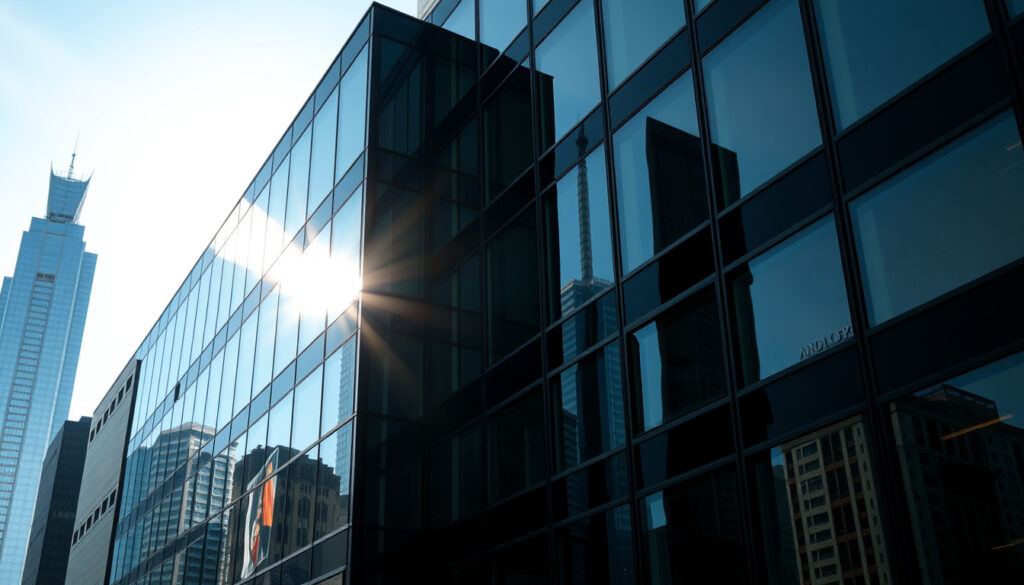
Commercial Window Tinting Near Me – Costs, Benefits & Guide
Commercial window tinting has become an essential investment for businesses looking to reduce energy costs, protect interiors, and enhance their commercial spaces. This specialized service applies thin films to office windows, storefronts, and other glass surfaces to block harmful ultraviolet rays, reject solar heat, and improve overall building efficiency. For property owners and facility managers searching for commercial window tinting near me, understanding the available options, associated costs, and practical considerations helps make informed decisions about this upgrade.
Modern commercial window films offer impressive performance characteristics, with some products rejecting up to 79-80% of solar energy while blocking 99% of ultraviolet radiation. These capabilities translate to measurable benefits for business operations, including reduced cooling expenses, protected merchandise and furnishings, and improved occupant comfort throughout the year.
The commercial window tinting industry has evolved significantly, with providers now offering specialized solutions for various building types, from high-rise office towers to single-story retail storefronts. Understanding the distinction between different film technologies, installation requirements, and warranty coverage enables businesses to select the most appropriate system for their specific needs and budget constraints.
What Is Commercial Window Tinting?
Commercial window tinting involves applying thin, transparent or semi-transparent films to the interior or exterior surface of windows in non-residential buildings. These films serve multiple purposes, including solar heat rejection, ultraviolet protection, glare reduction, and enhanced privacy without significantly obstructing natural light or exterior views. The technology has gained widespread adoption among office buildings, retail establishments, warehouses, and other commercial facilities seeking to improve energy efficiency and interior comfort.
Unlike residential applications, commercial window tinting projects often involve larger surface areas, multiple building levels, and specialized requirements related to building codes, ADA compliance, and aesthetic standards. Professional installation teams assess each property individually, considering factors such as window orientation, climate conditions, and the building’s specific operational needs before recommending appropriate film solutions.
Types of Commercial Window Films
The commercial window film market offers several distinct categories, each designed to address particular performance priorities. Solar or thermal rejection films form the most common category, engineered specifically to block infrared radiation and reduce heat transfer through glass surfaces. These films typically provide the most significant energy savings in climates with high sun exposure, making them particularly popular in southern states and desert regions.
Choosing the right window film depends on your primary goals. Heat rejection films excel at reducing cooling costs, while security films provide reinforced protection against break-ins and storm damage. Consult with a professional installer to determine which film type best matches your building’s exposure and performance requirements.
Ceramic films represent a premium option within the market, utilizing advanced nanoparticle technology to achieve high heat rejection rates without metallic components. This construction eliminates potential interference with electronic devices and cellular signals while maintaining excellent optical clarity. Many commercial properties choose ceramic films when aesthetics and signal connectivity remain paramount concerns.
Reflective films feature a mirror-like coating on the exterior surface, effectively bouncing solar radiation back toward its source. These films provide exceptional privacy during daylight hours while delivering superior heat rejection performance. Low-emissivity (Low-E) films focus on insulation properties, helping retain interior heat during winter months and reducing energy loss through glass surfaces year-round.
Decorative and security films serve specialized purposes beyond thermal performance. These products include frosted patterns, logos, and graphics for branding applications, as well as shatter-resistant layers that hold glass fragments together during impacts. Security films have gained particular attention among businesses seeking enhanced protection against vandalism, burglary, and storm damage.
Window film performance is measured using visible light transmission (VLT) percentages and solar heat gain coefficients (SHGC). Lower VLT values indicate darker films providing more glare reduction, while SHGC ratings show how much solar heat the film blocks. The National Fenestration Rating Council provides standardized testing and certification for these metrics.
What Are the Key Benefits for Businesses?
Commercial window tinting delivers substantial advantages that directly impact a business’s bottom line and operational efficiency. Energy savings represent the most frequently cited benefit, with many commercial properties reporting reductions of 30-50% on cooling-related utility expenses after film installation. These savings stem from decreased HVAC system workload, as tinted windows reduce the volume of heat entering the building interior.
Beyond direct energy cost reductions, window films protect valuable assets from solar damage. Ultraviolet radiation causes fading and degradation of merchandise, furniture, flooring, and equipment exposed to sunlight. Commercial window films blocking 99% of UVA and UVB rays significantly extend the lifespan of these investments, reducing replacement and refurbishment expenses over time.
Energy Savings and UV Protection
The magnitude of energy savings achievable through window tinting depends on multiple factors, including building orientation, climate zone, existing insulation quality, and film specifications. Industry data indicates that properly selected and installed window films can reject 75-80% of incoming solar energy, substantially reducing cooling demands during hot summer months. Some properties experience payback periods of two to five years through accumulated utility savings, making window tinting one of the more attractive building envelope improvements available.
Glare reduction contributes to improved workplace productivity and comfort. Films reducing glare by up to 75% create more favorable conditions for computer work, presentations, and customer-facing activities. Employees experience less eye strain and fatigue, while merchandise displays remain visible and attractive without harsh reflections obscuring products.
Energy.gov-aligned window films may qualify for utility rebates and incentive programs offered by local energy providers. Check with your regional utility company and review available energy efficiency programs before finalizing your window tinting investment to maximize financial benefits.
Security and privacy features add another dimension to commercial window film value. Reinforced films hold glass fragments in place during impacts, whether from attempted break-ins, severe weather, or accidental breakage. This containment reduces injury risks, property damage, and business interruption following such events. Privacy films prevent outsiders from observing interior activities while maintaining outward visibility for occupants.
Aesthetic improvements represent a frequently overlooked benefit, particularly for businesses with prominent street-facing storefronts. Modern decorative films enable custom graphics, branding elements, and frosted patterns that enhance professional appearance while serving functional purposes. These design options help businesses create distinctive identities and promotional displays without permanent modifications to their physical structures.
How Much Does Commercial Window Tinting Cost?
Commercial window tinting pricing varies considerably based on film type, square footage, building complexity, and geographic location. Most commercial projects fall within a range of $5 to $12 per square foot for materials and professional installation. Premium ceramic and specialized security films command prices toward the higher end or beyond this range, while standard dyed or basic reflective films often cost less.
The overall project cost depends primarily on the total glass surface area requiring coverage. Larger installations benefit from economies of scale, with many providers offering volume discounts for extensive commercial jobs. Some companies advertise pre-pay discounts reaching 30%, providing additional savings for businesses prepared to pay the full project cost upfront.
Factors Affecting Pricing
Film selection dramatically influences total project expenses. Basic dyed films typically represent the most economical option, providing fundamental glare reduction and moderate heat rejection at lower cost points. Ceramic and multi-layer spectral films command premium prices due to superior performance characteristics and more complex manufacturing processes. Security films with shatter-resistant properties add significant cost but provide substantial protection value.
Window configuration affects installation difficulty and labor costs. Large, easily accessible windows require less time and specialized equipment than multi-paned configurations, skylights, or hard-to-reach locations. Buildings with existing window treatments or unusual glass compositions may need additional preparation work, influencing the final price quotation.
Building codes and compliance requirements can impact costs in certain jurisdictions. Properties requiring specific visible light transmission levels or fire-rated film products may need specialized materials that increase overall project expenses. Reputable providers incorporate these requirements into their estimates, ensuring installations meet local regulatory standards.
Most commercial window tinting providers offer free on-site estimates tailored to specific building requirements. Gather multiple quotes from competing installers to compare pricing, warranty terms, and included services. Ensure each estimate covers the same film specifications and installation scope for accurate comparison.
Financing options have become increasingly available, allowing businesses to spread costs over time rather than bearing the full expense immediately. These arrangements prove particularly valuable for larger installations where the upfront investment might strain operating budgets. Evaluate financing terms carefully, considering interest rates and total repayment amounts against projected energy savings.
Return on investment calculations for commercial window tinting generally prove favorable. Beyond direct energy savings, businesses benefit from reduced furniture and equipment replacement costs, improved employee comfort and productivity, and potential utility rebates. The impressive ROI documented by satisfied commercial clients reflects these multiple value streams.
How to Find Reliable Commercial Window Tinting Near Me?
Locating qualified commercial window tinting contractors requires evaluating several key factors beyond simple proximity. Experience and track record matter significantly when entrusting your building’s windows to an installation company. Look for providers with established histories serving commercial clients, demonstrated expertise with various film technologies, and portfolios of completed projects similar in scope to your requirements.
Certification and manufacturer partnerships indicate professional standing and access to quality materials. Authorized dealers for major film manufacturers typically receive specialized training and maintain inventory of premium products. These relationships often translate to better warranty coverage and more reliable technical support when issues arise.
Tips for Choosing a Provider
Customer reviews and testimonials provide valuable insights into actual service experiences. Examine feedback across multiple platforms, paying attention to comments about installation quality, professionalism, and post-installation support. Notable commercial clients served by a provider, such as technology companies and universities, suggest capability to handle demanding projects with high standards.
Warranty coverage distinguishes serious providers from less reliable competitors. Nationwide warranties spanning 10 to 12 years or longer indicate confidence in product durability and installation quality. These protections typically cover material defects, film deterioration, and installation-related failures, providing valuable peace of mind for commercial property owners.
Comparing multiple providers remains essential for making informed decisions. Request detailed proposals from at least three companies, carefully reviewing the film specifications, installation timeline, and total cost structure included in each quotation. Be wary of unusually low bids, as these may reflect inferior materials, inexperienced labor, or hidden charges that emerge later in the process.
Local market knowledge proves particularly valuable when selecting a commercial window tinting contractor. Regional providers understand local climate challenges, building code requirements, and common architectural styles in their service area. This familiarity translates to more accurate recommendations and smoother installation experiences compared to national chains lacking local expertise.
Verify provider credentials, insurance coverage, and business registrations before signing contracts. The International Window Film Association maintains industry standards and can help identify qualified professionals who follow best practices and ethical business standards.
Requesting case studies or visiting completed installations enables direct assessment of work quality. Well-established providers maintain references and can arrange viewings of similar projects upon request. Examining actual installations reveals information about film appearance, edge finishing, and overall craftsmanship that photographs cannot fully convey.
What Is the Installation Process and Warranty?
Professional commercial window tinting follows a systematic process ensuring quality results and lasting performance. Initial consultations involve thorough property assessments, where technicians evaluate window dimensions, glass types, and building-specific requirements. These evaluations inform accurate pricing and film recommendations tailored to each client’s situation.
Following agreement on specifications, installers schedule measurement sessions capturing precise dimensions for all covered windows. Custom film cutting occurs off-site, ensuring accurate fitting and minimizing on-site preparation time. Larger commercial projects may proceed in phases, allowing continued business operations during installation periods.
Installation day involves careful surface preparation, film application using specialized tools and techniques, and thorough quality inspection. Professional teams maintain clean work areas and protect surrounding surfaces from damage or contamination. Bubble-free, precisely aligned applications result from experienced technicians using proper installation methods.
Maintenance After Installation
Modern window films require minimal ongoing maintenance, contributing to their long-term cost-effectiveness. Regular cleaning with soft materials and appropriate solutions keeps films clear and functional without damaging delicate coatings. Avoiding abrasive tools, harsh chemicals, and sharp objects preserves film appearance throughout its operational lifespan.
Film warranties typically cover scratch resistance, water damage, and performance degradation under normal use conditions. Understanding warranty terms helps property managers respond appropriately to any issues arising during coverage periods. Documenting installation dates and keeping warranty documentation accessible simplifies future claims if needed.
Expected film lifespans range from 10 to 20 years depending on film quality, installation excellence, and environmental exposure conditions. Higher-quality films with superior UV stabilization and durable construction typically outlast budget alternatives by significant margins. Professional installation also influences longevity, as improper application leads to premature failure through bubbling, delamination, or color changes.
Wait at least 30 days after installation before cleaning newly tinted windows to allow film adhesives to fully cure. Use ammonia-free cleaners and soft microfiber cloths to avoid scratching film surfaces. Avoid pressure washing or steam cleaning near tinted windows to prevent edge damage and water infiltration.
Is Commercial Window Tinting Legal?
Commercial window tinting regulations differ significantly from residential and automotive requirements, with less restrictive rules generally applying to non-residential properties. Building codes and fire safety regulations may specify minimum light transmission levels for certain occupancy types, particularly in areas requiring specific visibility for emergency responders or public safety considerations.
Compliance requirements vary by municipality, with some cities maintaining specific ordinances governing commercial building appearance and window treatments. Historic districts and properties with preservation covenants may face additional restrictions on modifications visible from public rights-of-way. Reviewing local codes before selecting film products prevents costly corrections or compliance issues.
ADA requirements influence window treatment choices in public accommodations, potentially limiting certain film applications that would obstruct necessary sightlines or create safety hazards. Working with experienced installers familiar with accessibility requirements ensures installations meet all applicable standards.
Health and safety regulations may mandate specific window film properties in certain commercial contexts, such as healthcare facilities, laboratories, or areas handling sensitive equipment. Understanding these requirements helps businesses select compliant products that serve functional needs without creating regulatory complications.
Commercial Window Tinting vs. Alternative Solutions
Comparing window tinting to alternative window treatment options reveals distinct advantages for commercial applications. Traditional blinds and curtains require ongoing manual adjustment, accumulate dust and allergens, and may impede natural light when closed. Window films provide continuous, maintenance-free performance without these operational burdens.
Interior window treatments like curtains and blinds offer limited energy efficiency benefits compared to properly selected window films. Films address the root cause of heat transfer through glass, while most treatments merely block light without addressing thermal conductivity. This fundamental difference makes films significantly more effective for energy-conscious building operations.
Exterior shading devices and awnings provide heat reduction benefits but require more maintenance, present greater wind exposure risks, and may conflict with building aesthetics or codes. Window films achieve similar performance outcomes without these complications, making them preferable for most commercial situations where aesthetics and minimal maintenance matter.
Market demand for green building solutions continues driving adoption of window film technology. Commercial properties increasingly seeking LEED certification and other sustainability credentials recognize window tinting’s contribution to energy performance credits. This recognition elevates window film from cosmetic upgrade to strategic building improvement aligned with environmental priorities.
Industry Standards and Testing
The window film industry operates under established testing and certification protocols that help buyers evaluate product performance objectively. The National Fenestration Rating Council provides standardized performance ratings enabling accurate comparisons between different film products. These ratings cover solar heat gain coefficient, visible light transmission, and UV blocking effectiveness.
Industry standards developed by organizations like the International Window Film Association establish best practices for installation, warranty coverage, and consumer protection in the commercial window tinting sector.
Manufacturer research and development continues advancing film technology, with newer ceramic and nano-carbon products delivering improved performance characteristics compared to earlier generations. These innovations expand the range of available solutions for demanding commercial applications while maintaining competitive pricing through manufacturing efficiencies.
Summary and Recommendations
Commercial window tinting represents a proven investment offering multiple benefits for business properties, including significant energy savings, UV protection, enhanced security, and improved occupant comfort. Selecting appropriate film technology and qualified installers ensures optimal results and lasting performance. The available evidence supports considering window tinting among the most cost-effective building envelope improvements accessible to commercial property owners.
Businesses planning window tinting projects should gather multiple quotes from established local providers, carefully comparing film specifications, warranty coverage, and installation timelines. Verifying credentials, reviewing completed projects, and checking customer feedback helps identify reliable contractors capable of delivering quality results. For those exploring related facility improvements, comprehensive fitness facility management resources and commercial property maintenance information provide additional context for building optimization strategies.
Frequently Asked Questions
Is commercial window tinting legal for my business property?
Commercial window tinting regulations are generally less restrictive than residential or automotive rules. Most commercial properties can apply films with various darkness levels, though local building codes, fire safety requirements, and historic preservation guidelines may impose specific restrictions. Consult your local building department or a qualified installer familiar with regional regulations.
How long does commercial window tinting installation take?
Project duration depends on the scope of work. Small retail spaces might complete in one day, while larger office buildings could require several days or weeks. Professional installers provide timeline estimates during the consultation phase, and many projects can proceed in stages to minimize business disruption.
What warranty coverage should I expect from commercial window tinting?
Reputable commercial installers typically offer nationwide warranties ranging from 10 to 12 years or longer. Coverage generally includes material defects, film deterioration, delamination, and installation failures. Review warranty terms carefully and ensure documentation includes installer information, film specifications, and activation date.
Can window films improve security at my commercial property?
Security films reinforce glass against shattering, holding fragments together during impacts from break-in attempts, severe weather, or accidental breakage. These films deter unauthorized entry and reduce injury risks from glass shards. For high-security requirements, consider specialized security films combined with attachment systems anchoring glass to surrounding frames.
How do I know which window film type is best for my building?
Film selection depends on your primary goals—heat reduction, UV protection, privacy, security, or aesthetics. Solar control films work best for energy savings in hot climates, while ceramic films offer excellent performance without signal interference. Professional installers assess your building’s exposure, existing windows, and performance priorities to recommend appropriate solutions.
Do window films require special maintenance?
Modern window films require minimal maintenance compared to alternative window treatments. Clean films periodically using soft cloths and ammonia-free cleaners. Avoid abrasive materials, high-pressure washing, or steam cleaning near film edges. Wait 30 days after installation before first cleaning to allow adhesives to fully cure.
Will window films interfere with cellular signals or electronics?
Traditional metallic window films can potentially interfere with cellular signals and some electronic equipment. Ceramic films and modern non-metallic options eliminate this concern while maintaining excellent performance. Discuss signal-related requirements with installers when evaluating film options for facilities with significant wireless technology dependence.
More related posts
 A Court of Thorns and Roses Characters: Main Cast & Love Interest
 Credit Card Pre Approval: Easiest Options and What It Means
 Car Shows Near Me This Weekend in Ireland – Events & Tax
 Rage Room Near Me: Costs, Age Rules & Health Facts
 State Farm Phone Number – Cu tomer Service, Claim , Billing
 Valvoline Restore and Protect Review: Does It Work
 Type 1 Diabetes Symptoms: Early Signs in Kids and Adults
 RV Repair Near Me: Costs, DIY & Local Dublin Services