How to Get Rid of Acid Reflux Fa t: Drink & Diet Tip
You know that burning sensation creeping up after a big meal or a late-night snack. It’s uncomfortable and distracting, and often the first thought is: how do I make this stop? Whether you deal with occasional heartburn or regular acid reflux, the good news is there are immediate, evidence-backed steps you can take. This guide covers the fastest relief methods, the drinks that actually help, and the nighttime habits that keep reflux from ruining your sleep.
Percentage affected: About 20% of U.S. adults experience GERD · Common cause: Lower esophageal sphincter dysfunction · Effective medication: Proton pump inhibitors reduce stomach acid production · Key lifestyle change: Eating smaller, more frequent meals can cut reflux episodes
Quick snapshot
- Acid reflux occurs when stomach acid flows into the esophagus (Harvard Health Publishing)
- Obesity, pregnancy, and hiatal hernia increase risk (GoodRx)
- PPIs are effective for symptom control (Allina Health)
- Avoiding trigger foods reduces symptoms (Healthline)
- Whether specific herbal teas are consistently effective in clinical trials
- Optimal timing of water intake for immediate relief
- Take an antacid or baking soda in water (TUMS)
- Chew gum to increase saliva (TUMS)
- Drink water or ginger tea (Healthline)
- Loosen clothing, avoid lying down (Harvard Health Publishing)
- Adopt smaller, more frequent meals (Harvard Health Publishing)
- Elevate head of bed 6–8 inches (GoodRx)
- Identify and avoid trigger foods (Healthline)
The table below organizes key facts about acid reflux causes, treatments, and lifestyle changes.
| Fact | Details |
|---|---|
| Condition prevalence | Up to 20% of U.S. adults have GERD (GoodRx) |
| Primary cause | Weak lower esophageal sphincter allows acid backflow (Harvard Health Publishing) |
| Common medication | Proton pump inhibitors like omeprazole reduce stomach acid (Allina Health) |
| Dietary change | Eating smaller meals reduces reflux episodes (Harvard Health Publishing) |
| Immediate antacid | 1 tsp baking soda in 8 oz water can provide temporary relief (TUMS) |
| Nighttime rule | Avoid eating within 3 hours of bedtime (Harvard Health Publishing) |
| Sleep position | Elevating head of bed 6–10 inches reduces nighttime reflux (GoodRx) |
| Worst drinks | Carbonated beverages worsen reflux by promoting belching (Harvard Health Publishing) |
| Best drinks | Water, ginger tea, chamomile tea may soothe symptoms (Healthline) |
How to get rid of acid reflux asap?
Lifestyle adjustments for quick relief
- Stop eating immediately and stay upright for at least 2–3 hours (Harvard Health Publishing).
- Loosen any tight clothing around your waist.
- Chew a piece of sugarless gum — the increased saliva can help neutralize stomach acid.
- Drink a glass of flat water slowly (GoodRx).
Over-the-counter antacids and PPIs
Antacids like Tums can neutralize stomach acid within minutes. According to TUMS, dissolving one teaspoon of baking soda in eight ounces of water and sipping it slowly may provide temporary relief. For longer-term management, proton pump inhibitors (PPIs) like omeprazole are effective but take 1–4 days to reach full effect, as noted by Allina Health.
When to see a doctor
If you experience severe or frequent symptoms (more than twice a week), or if you have difficulty swallowing, unexplained weight loss, or chest pain, consult a healthcare provider. The Harvard Health Publishing recommends professional evaluation for anyone needing PPIs for more than two weeks.
The takeaway: For immediate relief, a combination of posture, timing, and a simple baking-soda drink can stop the burn. Antacids work fast, but PPIs are for sustained control—don’t rely on them long-term without a doctor’s input.
What this means: Quick fixes like baking soda and upright posture can stop an episode, but persistent symptoms need a medical workup.
What can I drink to soothe acid reflux?
Water and alkaline water
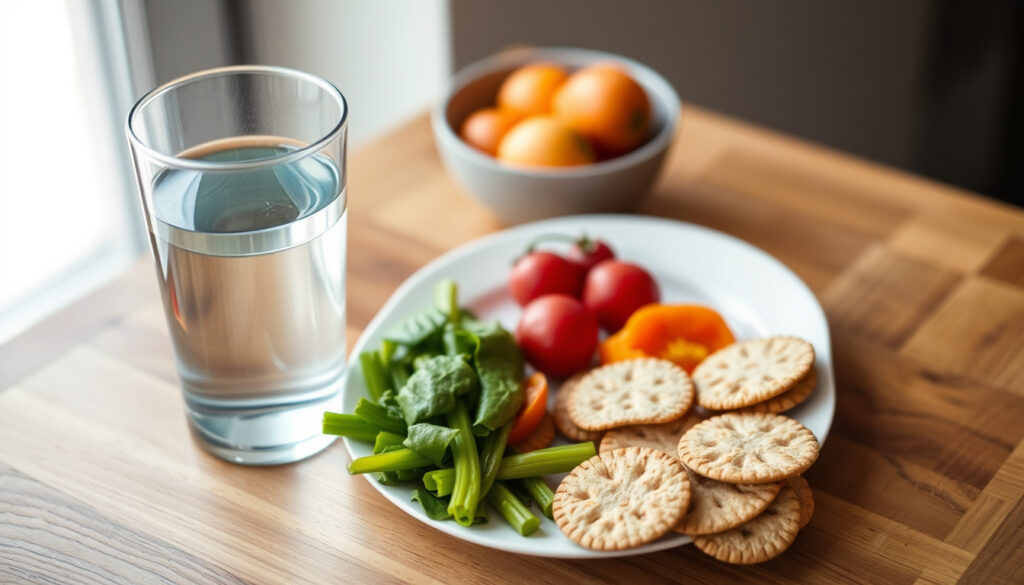
Plain water is the safest bet. Harvard Health Publishing recommends flat water over sparkling water because carbonation increases belching and can push stomach acid upward. Alkaline water with a pH above 8 may help neutralize acid, but evidence is limited.
Herbal teas (ginger, chamomile)
Ginger tea has anti-inflammatory properties and may reduce reflux symptoms. Chamomile tea is also commonly suggested. According to Healthline, these teas are among the beverages that may help manage acid reflux. However, clinical trial data are inconsistent on their effectiveness.
Low-fat milk and non-citrus juices
Low-fat milk can provide temporary relief by coating the esophagus, but high-fat milk may worsen symptoms due to its fat content. Nonacidic juices like carrot and cucumber are also recommended by Healthline.
Drinks to avoid entirely
Avoid citrus juices, alcohol, coffee (including decaf), carbonated sodas, and full-fat milk. These are known triggers that relax the lower esophageal sphincter or directly irritate the lining.
While herbal teas are popular, their clinical backing is inconsistent. If you try ginger or chamomile, use them as a complement to—not a substitute for—proven lifestyle changes.
What this means: Water wins as the universal drink for reflux. If you want flavor, ginger tea is your best bet — but skip the carbonation and caffeine.
What foods trigger acid reflux?
Fatty and fried foods
High-fat meals delay stomach emptying and increase pressure on the lower esophageal sphincter (LES). Common offenders include fast food, fried chicken, and full-fat dairy. According to Harvard Health Publishing, eating smaller, low-fat meals can reduce reflux episodes.
Spicy dishes and citrus
Spicy foods like chili and hot sauce can irritate the esophagus lining. Citrus fruits and tomatoes are highly acidic and can trigger heartburn. The Healthline guide includes citrus juices among beverages to avoid for reflux management.
Chocolate, caffeine, and mint
Chocolate contains methylxanthines that relax the LES. Caffeine increases acid secretion, and peppermint can also relax the sphincter. Avoiding these can significantly reduce symptoms.
Tomatoes and onions
Tomatoes are naturally acidic and commonly trigger reflux. Onions, especially raw, can cause symptoms in many people. Keeping a food diary can help identify your personal triggers.
The pattern: High acidity, high fat, and chemicals that relax the LES form a predictable set of triggers — learn them, and you can prevent most episodes.
What’s the worst drink for acid reflux?
Some drinks are notorious for making reflux worse. Here’s a look at the biggest offenders.
Alcoholic beverages
Alcohol relaxes the lower esophageal sphincter and increases stomach acid production. According to GoodRx, avoiding alcohol is a key step in managing GERD.
Coffee and caffeinated drinks
Both regular and decaf coffee stimulate gastric acid secretion. If you must have coffee, limit it to one cup and avoid drinking on an empty stomach.
Carbonated soft drinks
Sodas and sparkling water cause belching, which can bring stomach acid into the esophagus. Harvard Health Publishing specifically advises against carbonated beverages for those with reflux.
Citrus and tomato juices
Orange juice, grapefruit juice, and tomato juice are highly acidic and can directly irritate an already inflamed esophagus. Healthline lists these among drinks to avoid.
Full-fat milk
While milk may seem soothing, full-fat milk can cause a rebound increase in stomach acid due to its fat content. Stick to low-fat or plant-based milks instead.
The worst of the worst: Alcohol and carbonated drinks are the double punch — they relax the LES and physically force acid upward. Cut these first.
What time of day is acid reflux the worst?
Nighttime reflux and sleep position
Lying down after eating is the perfect setup for acid to escape the stomach. Harvard Health Publishing explains that gravity no longer helps keep acid down once you’re horizontal. Sleeping on your left side has been shown to reduce acid exposure compared to the right side.
Meal timing and avoidance
Eating within 2–3 hours of bedtime is a major risk factor. Franciscan Health advises finishing meals at least three hours before bed to allow stomach emptying.
Elevating the head of the bed
Raising the head of your bed by 6–8 inches (using blocks or a wedge pillow) can help prevent nighttime reflux. GoodRx notes that this elevation uses gravity to keep stomach contents where they belong.
Nighttime reflux isn’t just uncomfortable — it can damage the esophagus over time because you swallow less frequently during sleep, leaving acid in contact longer. Elevating your bed is one of the most effective mechanical fixes.
The trade-off: You may need to rearrange your sleep schedule and bedding, but for many people, these simple changes eliminate nighttime symptoms entirely.
The key to managing acid reflux lies in consistency: immediate steps like water and upright posture offer quick relief, while long-term changes in meal timing, drink choices, and sleep positioning prevent recurrence. For anyone dealing with acid reflux, the choice is clear: adopt these evidence-based habits, or accept the disruption to your sleep and daily comfort.
More related posts
 How to Remove Mildew Smell from Towels – Step-by-Step Guide
 What Time Does Dollar Tree Close – Hours by Day, Location & Holidays
 A Court of Thorns and Roses Characters: Main Cast & Love Interest
 Al Nassr matches 2025-26: schedule, CR7 goals & more
 A&D Ointment: Uses, Ingredients, vs Vaseline, and Safety
 Birthday Cakes Near Me: Supermarkets & Bakeries in Ireland
 Chick-fil-A Menu with Prices – 2024 Averages by Location
 Love Island UK Season 12: Recap, Couples, and Where to Watch